
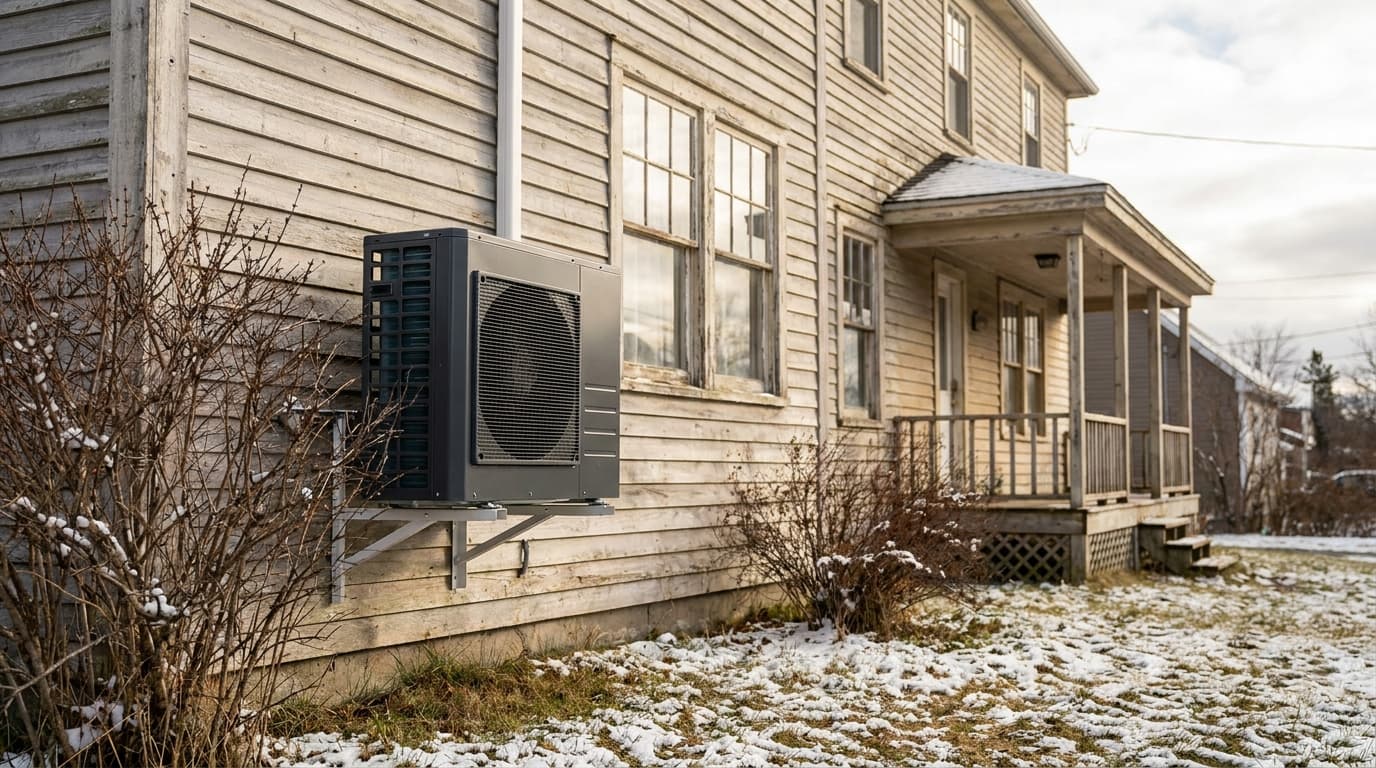
Heat pump rebates in Nova Scotia: what HRM homeowners need to know in 2026
Heat pumps genuinely lower heating costs in our climate, and rebates take the edge off the upfront cost. Here is how the programmes work in 2026, what they are worth, and what your installer needs to do.
June 21, 2026 · Tom Ross
If you have been thinking about a heat pump, the timing makes sense. Heating a Halifax home is expensive, oil prices are unpredictable, and a modern cold-climate heat pump runs well through our winters. The catch is the upfront cost, and that is where rebates come in. The programme landscape is genuinely confusing, and it has shifted in 2026, so the aim here is to simplify it without pretending it is simpler than it is.
One thing to say at the very top, because it matters more this year than most. Rebate programmes change, and in 2026 they are changing quickly. Funding gets allocated and paused, programmes wind down, and eligibility rules move. The big stackable grants and interest-free loans that were available right up to 2025 are now more limited and more targeted. Treat every figure here as a guide to how the system works, and confirm the current status and amounts at efficiencyns.ca before you commit to anything, because what is true the week you read this may have changed by the time you apply.
Why heat pumps make sense in Nova Scotia specifically
There are two reasons a heat pump is a better fit here than in many parts of the country.
The first is the grid. Nova Scotia's electricity has been getting cleaner as the province moves away from coal, which means the electricity a heat pump runs on carries a lighter footprint than it used to. The second is the maths. A heat pump moves heat rather than burning fuel to create it, so for a lot of HRM homes, especially those heating with oil or electric baseboard, switching cuts the heating bill meaningfully.
Cold-climate models are the key detail. Older heat pumps struggled in deep cold, which gave them a bad reputation in Maritime winters. The current cold-climate units are a different proposition and keep working at the temperatures we actually see. The oil-to-heat-pump switch in particular is common in HRM now, and for good reason, because oil heat is both expensive and exposed to a volatile global price.
The main rebate routes available to HRM homeowners in 2026
A few programmes overlap here, and which ones you qualify for depends heavily on your income and your current heating fuel. As of early 2026, these are the routes that matter.
The Oil to Heat Pump Affordability route. This is the largest support available, aimed squarely at households heating with oil. Combining federal and provincial funding, it has offered up to around 15,000 dollars to switch from oil to a cold-climate heat pump. It is income-tested, generally aimed at households at or below the median income after tax, and you typically need to show meaningful oil use, on the order of several hundred litres in the past year, to qualify. The important 2026 caveat: this funding has been heavily subscribed, and at points this year it has been fully allocated with a standby list rather than open intake. Check its current status before you build your plans around it.
Moderate income rebates. For middle-income households, provincial rebates have offered up to roughly 15,000 dollars toward a qualifying switch, again depending on circumstances. This is the route many HRM homeowners who do not meet the lowest-income thresholds will look at first.
General heat pump rebates. If you do not qualify for the income-tested programmes, more general rebates have been available, commonly up to around 5,000 dollars, often tied to a home energy assessment. The amount depends on the system and your home.
Federal support. Federal home-efficiency grants have come and gone, and the well-known Greener Homes Grant closed to new applicants. Do not assume a standalone federal grant is available without confirming its current status, because this is the area that changes most often.
The honest summary for 2026 is this. If you heat with oil and your income qualifies, the affordability route is worth the most by a wide margin, but it may have a waitlist. Everyone else should look at the moderate income and general rebate routes. And all of it is more constrained than it was a year or two ago, so verify before you count on a number.
What your installer needs to do for the rebate to come through
This is the part homeowners most often miss, and it can cost you the rebate entirely.
For most programmes, the installer has to be registered with Efficiency Nova Scotia. If they are not, the same equipment installed the same way may simply not qualify, no matter how good the price looked. The equipment itself also has to meet the programme's efficiency standards, which is why the specific model number matters and a vague promise to fit a good unit is not enough.
Most of these programmes also involve a home energy assessment, and some require pre-approval before the work starts, meaning you cannot install first and apply for the money afterward. There is paperwork, and there is a sequence to it. A good installer handles most of this for you and tells you exactly what they need and in what order. Ask them to walk you through the application before you sign anything, and be wary of anyone who waves the paperwork away.
Typical costs and what rebates actually cover
For a single-zone mini-split, the kind that heats one main living area, an installed price in HRM commonly lands in the low-to-mid thousands of dollars, varying with the unit, the home, and how complex the install is. Whole-home or multi-zone systems, the kind that can actually replace an oil furnace across a whole house, cost considerably more, often well into five figures.
Rebates offset part of that, not all of it, except in some of the deepest income-tested cases where the support can cover a large share of an oil-to-heat-pump conversion. The point of the programmes is to make the switch manageable, not free. Work out the gap between the realistic installed price and the rebate you actually qualify for, then weigh that against what you currently spend to heat the house. For many oil-heated homes the payback period is short enough to make the decision straightforward, but run your own numbers on your own bills rather than relying on a sales pitch.
Questions to ask your HVAC contractor before signing anything
Five questions will tell you quickly whether you are dealing with someone who knows the current programmes.
Are you registered with Efficiency Nova Scotia? If the answer is no, the rebate may be off the table regardless of how good the price looks.
Which programme do you think I qualify for, and is it currently open? A contractor doing this work weekly will know what is open, what is waitlisted, and what fits your situation.
Will you handle the rebate paperwork and the energy assessment? Someone who does this routinely will say yes without hesitation.
What equipment brands do you install, and do the specific models qualify? You want the model confirmed as eligible, not a general reassurance.
What is the warranty, on both the equipment and the labour, and can you give me references from similar HRM installs? Recent, local, comparable.
A heat pump is a sizeable decision, and the rebate side rewards a careful, registered contractor over a cheap one. We list vetted HVAC contractors across HRM, with their insurance and credentials already checked, if you would rather start from a verified shortlist. Wherever you start, confirm the current programme status and amounts at efficiencyns.ca first, because in 2026 this is moving faster than usual.
Need a tradesperson you can trust?
Every business on ProveAPro has been hand-vetted. Government ID, business registration, insurance, licensing, references, and complaints history - all checked before they go live.
Browse vetted tradespeople